
The Ultimate Recovery Guide For Cheerleaders Before Competition
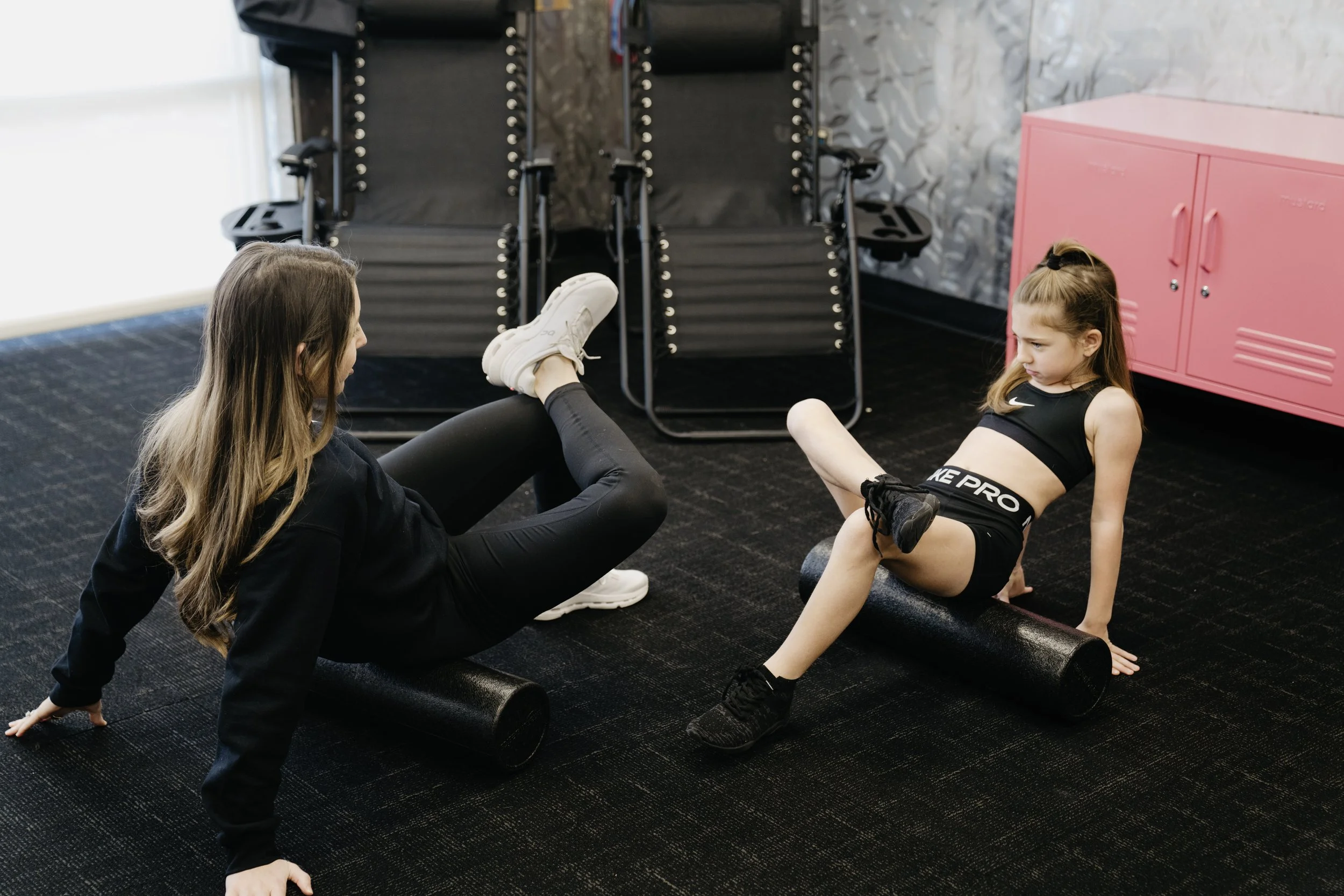
It’s that time of year — we are deep in the middle of competition season. Unfortunately, it is also the time of year when I start seeing athletes dropping like flies with injuries, fatigue, and burnout. This is when performance should be peaking — not crashing — and the way we make that happen is through proper recovery and thoughtful preparation.
Recovery needs to be a part of your training as a cheerleader. It is not a luxury reserved for a few athletes. Many cheerleaders believe recovery only happens after a big competition and only involves resting, but that is far from the truth. In reality, how you recover and prepare your body leading up to competition directly impacts performance, injury risk, consistency, and confidence on the mat.
Recovery is not about doing less — it’s about preparing your body to perform at its absolute best.
Why Recovery Matters
At this point in the season, there is no question that fatigue has accumulated. It often shows up as sloppy skills, missed stunts, weird or inconsistent tumbling landings, new injuries that likely could have been prevented or generalized tightness and body soreness.
Recovery has become a major buzzword lately. Many people assume recovery means expensive equipment or spending the day at a wellness center. While those tools can be helpful, true recovery is much simpler. It comes down to giving your body what it actually needs to rest, replenish, and perform.
Recovery is not just about healing injuries — it is about keeping your body and nervous system ready for peak performance.
Basic Pillars for Proper Recovery
1. Time managementOne of the biggest challenges for cheerleaders and young athletes is balancing school, health, and demanding practice schedules. As competition approaches, it is important not to overcommit or overload your schedule.
Choose what is most important and be willing to say no to extra activities that may drain your energy. Recovery often starts with protecting your time.
2. Tapering Training & PeriodizationThese principles are very common in the athletic world, especially with endurance athletes, and there is no reason they should not be applied to cheerleaders preparing for their biggest events. The principle is that you are thoughtful in your training schedules and know when it is appropriate to push yourself and build new skills and when you should pull back from that. As competition approaches you taper your training, gradually reducing the intensity and volume of workouts.
Leading up to competition:
Focus on refining and cleaning existing skills
Reduce overall training volume slightly
Avoid cramming new skills or extra privates
Trying to add more classes, privates, conditioning, or learning new skills right before competition often backfires. Tapering allows your body to recover, adapt, and feel powerful when it matters most.
3. Physical recoveryPhysical recovery is the pillar most cheerleaders recognize — but many misunderstand it. Recovery is not just resting or doing nothing. Effective physical recovery may include many tools such as:
Breathwork
Mobility work
Gentle stretching (gentle is key! Cheerleaders tend to stretch too aggressively)
Foam rolling
Massage
Cupping or dry needling when appropriate
Massage guns
Compression
Hot/cold therapy
The goal is to help your body feel better — not to create more soreness or fatigue.
4. Nutrition & Hydration Nutrition conversations in cheerleading can be sensitive due to body image concerns. It is important to remember that fueling your body is very different from dieting. Under-fueling is one of the biggest performance killers. Without adequate nutrition, athletes feel weak, depleted, and have zero energy. Not to mention they are more prone to injury.
Calories support muscle recovery, energy levels, and nervous system readiness. While there are many variables when it comes to fueling for competition, focus on:
Carbohydrates for energy and endurance. The quality of the carb is VERY important. Prioritize fruits, vegetables, and non-refined grains.
Protein for muscle repair and tissue recovery. Most athletes—especially girls— are not eating enough protein. Time to include protein in every meal and snack. Helpful options include greek yogurt, cottage cheese, nuts, nut butters, and high quality meats.
Whole foods sources are always preferred over processed and packaged foods.
Hydration is just as important. Cheerleaders need adequate water intake plus electrolytes to support performance and recovery.
5. Sleep Sleep is the most underrated performance and recovery tool and it is where the real magic happens. During sleep our body literally recovers for us! While we do nothing our body repairs muscles, regulates hormones, and resets the nervous system.
Youth athletes should aim for at least 8 hours of sleep every night.
Helpful sleep habits:
Consistent bedtimes and wake times
No screens before bed
Keep phones out of the bedroom
Use warm, low lighting in the evening
Maintain a cool, dark sleep environment (below ~69°F)
Favorite Recovery Products
Nutrition. Hydration & Supplementation Electrolytes– cheerleaders must be replenished with electrolytes as water is not hydrating enough. The bummer with most common sports drinks and powders is they contain unnecessary amounts of sugar and artificial dyes.
Protein Powder– many cheerleaders are not meeting the recommended amount of protein intake daily. While protein powders should not replace high-quality, organic protein, it is a nice addition and can be made into a smoothie or something to eat on the go or in-between practices.
Supplements– while you cannot out supplement a good diet and healthy habits, there are some well known and researched supplements that help with muscle recovery, reducing inflammation, supporting connective tissue and reducing downtime after exercise or injury.
Sleep supportAlarm Clock– big fan of cheap, simple alarm clocks that can be used so that you can have your phone sleep and charge in a different room.
Warm Red Light Bulbs– this is a very simple step that will change your sleep! Replace your lightbulbs in your nightstand with these. Unlike blue light (aka regular light bulbs, phone screens, etc), red light does not suppress melatonin.
Wifi Kill Switch– turning off your wifi and reducing EMF exposure overnight will help everyone in your house sleep better.
physcial RecoveryFoam Roller– self myofascial release that helps reduce muscle tightness, soreness, and inflammation while improving flexibility.
Cupping Set– used to reduce muscle adhesions and increase blood flow to tight areas.
Lacrosse Ball- a form of myofascial release that is used to apply targeted pressure to tight muscles and connective tissue.
Massage Gun– these devices deliver rapid pulses to the tissues that boost blood flow, reduce lactic acid, and improve fascial mobility.
Theragun Pro (my favorite of all time– has red light included and many attachments including hot/cold)
Theragun Mini (smaller, more portable and affordable)
Compression Boots– graded, sequential air compression that mimics the natural muscle pump in our bodies which allows for greater circulation and lymphatic flow.
recovery is the answer
〰️
recovery is the answer 〰️
Very Simple Examples of Physical Recovery
These do not need to be complicated and most of them can be done at home with very minimal equipment.
360 Degree or diaphgramatic breathing Ready to Feel Strong, Fresh, and Competition-Ready?
If you want to show up to competition feeling confident, powerful, and injury-free, recovery needs to be part of your plan — not an afterthought.
If you or your cheerleader want help preparing the body for competition season:
👉 Schedule a discovery call to work with me for personalized injury prevention, recovery, and performance support
👉 Join my cheer-specific strength classes, which include recovery, mobility, and sport-specific training
👉 Not local? I also offer virtual coaching and programming designed specifically for cheerleaders
And if you found this helpful, follow me on Instagram @westandwellpt for weekly cheerleading health, recovery, and performance tips.
Because when cheerleaders recover well — they perform well.
Disclaimer: The views expressed in this article are based on the opinion of the author, unless otherwise noted, and should not be taken as personal medical advice. The information provided is intended to help readers make their own informed health and wellness decisions.