
Why So Many Cheerleaders Have Back Pain (And What to Do About It)
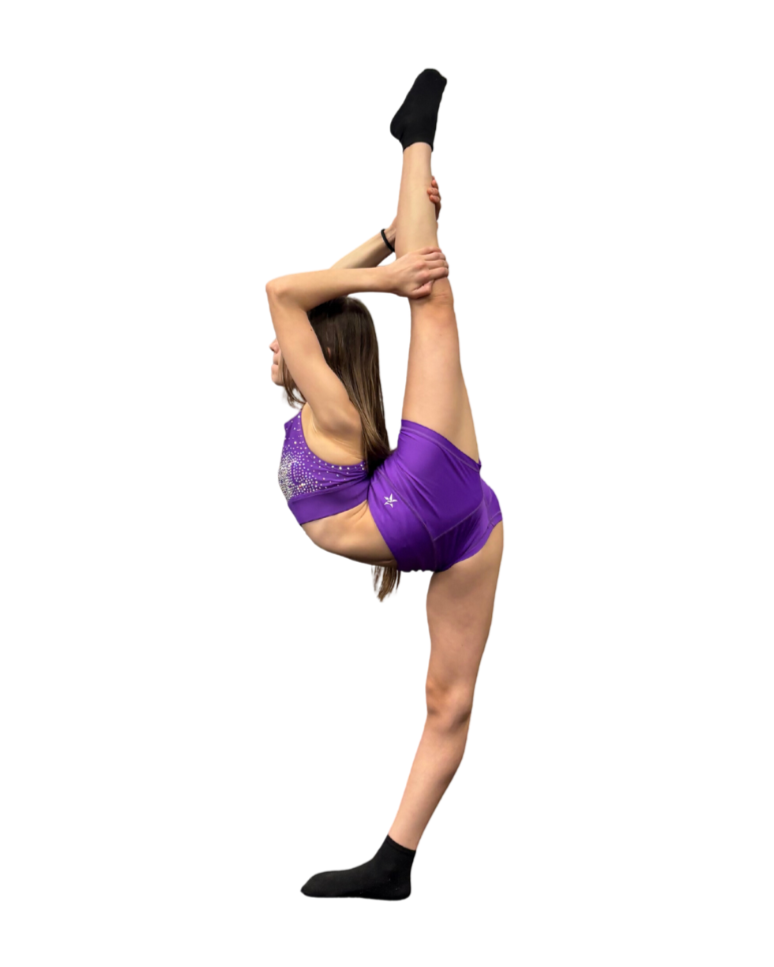
If you are a cheerleader, a parent of a cheerleader, or know a cheerleader, you have probably either complained yourself—or heard them complain—about their back hurting. Unfortunately, low back pain is very common among cheerleaders, but it is NOT normal.
Many Cheerleaders believe that pain, in general, is just “part of the sport.” I’m here to bust that myth and explain why low back pain is not something cheerleaders need to simply live with.
Why Are Cheerleaders Prone to Low Back Pain?
Repetitive MovementsOveruse injuries—namely back injuries and pain—account for approximately 66% of injuries in cheerleading. The low back is especially susceptible to muscle strains and bony stress reactions due to the repetitive flexion, hyperextension, and rotation involved in stunting and tumbling.
The extreme nature of cheerleading skills requires significantly more spinal and low back mobility than most sports—and far more than what we do in everyday life. When this is paired with high repetitions, it places a tremendous amount of stress on the low backs of cheerleaders.
Stunting DemandsContrary to popular belief, bases and backspots actually have a higher rate of stunting-related injuries than flyers. A base’s low back is particularly at risk during stunting if improper technique is used. Without adequate strength, mobility, and core activation, the low back quickly takes on the majority of the load of the stunt.
Flyers, on the other hand, often experience low back pain due to extreme body positions (such as needles and scorpions) as well as from drops and falls.
insufficient strength & body controlCheerleading is unique in that it requires a delicate balance of both flexibility and strength. Injuries occur when the load placed on the body exceeds the capacity of the muscles and bones to handle it.
Having adequate strength—especially in the deep core and glute muscles—helps improve control and reduce the risk of low back injuries.
growth spurtsThis is especially relevant for middle and high school athletes. Between the ages of 8 and 17, children gain nearly 20% of their adult height and approximately 50% of their adult body weight.
As bones grow rapidly, they are temporarily structurally weaker, making them more susceptible to injury. Muscle growth tends to lag behind bone growth, often resulting in decreased flexibility and strength—again increasing injury risk.
high training volumeCheerleading—particularly all-star and competitive cheer—has become a year-round sport, often involving 2–3 (or more) practices per week, each lasting several hours. Within each practice, athletes perform high repetitions of the same stunts, tumbling passes, and jumps.
This volume and repetition place cheerleaders at a higher risk for injury because the same tissues and movement patterns are being stressed over and over again.
Poor RecoveryPoor recovery goes hand-in-hand with high training volume. When athletes train at high levels without prioritizing recovery—such as mobility work, stretching, proper nutrition, sleep, and rest—their tissues never fully recover. This significantly increases the risk of pain and injury over time.
Common Types of Low Back Pain in Cheerleaders
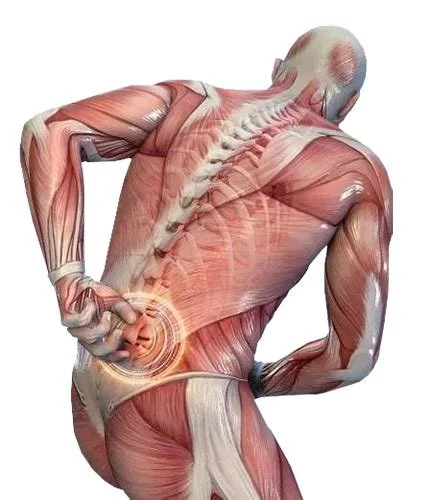
Muscular StrainThis is the most common back injury I treat in cheerleaders. Muscular strains affect the muscles along the spine and are most often caused by overuse combined with the factors discussed above.
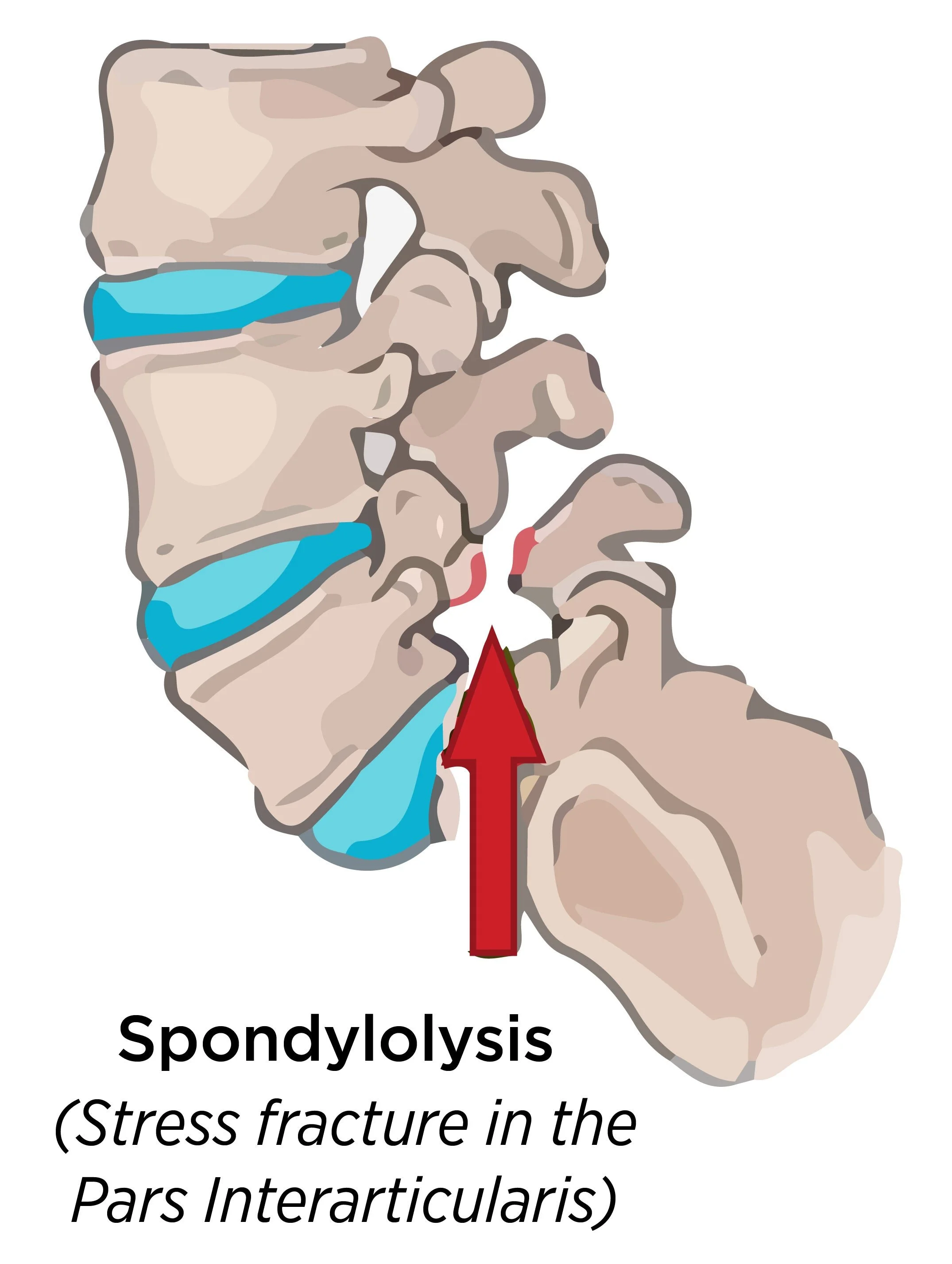
SpondylolysisSpondylolysis is a stress fracture in the spine, most commonly occurring in the lower lumbar vertebrae. Pain typically worsens over time and is often aggravated by back bending (extension) or twisting movements.
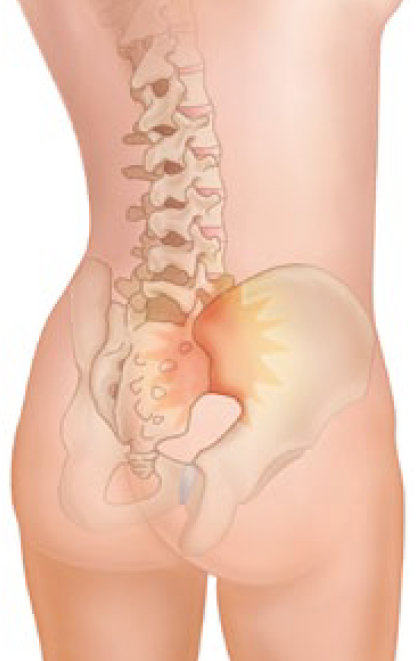
SI Joint Dysfunction The sacroiliac joints connect the low back to the pelvis. Pain related to SI joint dysfunction is often worse on one side and may be felt during single-leg activities or repetitive single-leg landings.
Good to Know about Low Back Pain
Signs Your Back Pain May Be Becoming a Problem
Pain that never fully goes away and lasts throughout practice and daily life
Pain that worsens with stunting or tumbling, especially if it feels sharp or shooting
A constant need to “crack” or “pop” your back for relief
Pain that radiates into the glutes, hips, or legs
Pain that affects sleep or school activities
What Not to Do If You Have Low Back Pain
Aggressively and repeatedly stretching the low back
Ignoring pain because “everyone hurts” or because it feels “normal”
Only resting without addressing the root cause
Doing random strengthening exercises—or avoiding strength training altogether
What Actually Helps Low Back Pain in Cheerleaders
Addressing the root causeThere are plenty of treatments, exercises, and stretches that can temporarily relieve back pain, but these are often just band-aid solutions. If the root cause isn’t identified and addressed, the pain is likely to return.
Working with a professional who understands cheerleading-specific demands is crucial. In many cheerleaders, I see excessive movement and overuse at one segment of the spine, which causes surrounding muscles to tighten in an attempt to create stability.
I help my clients retrain movement patterns, reduce muscular tension, and build strength properly to prevent pain from returning. If you want a long, healthy cheerleading career, you need to take your body seriously.
Proper Strength Training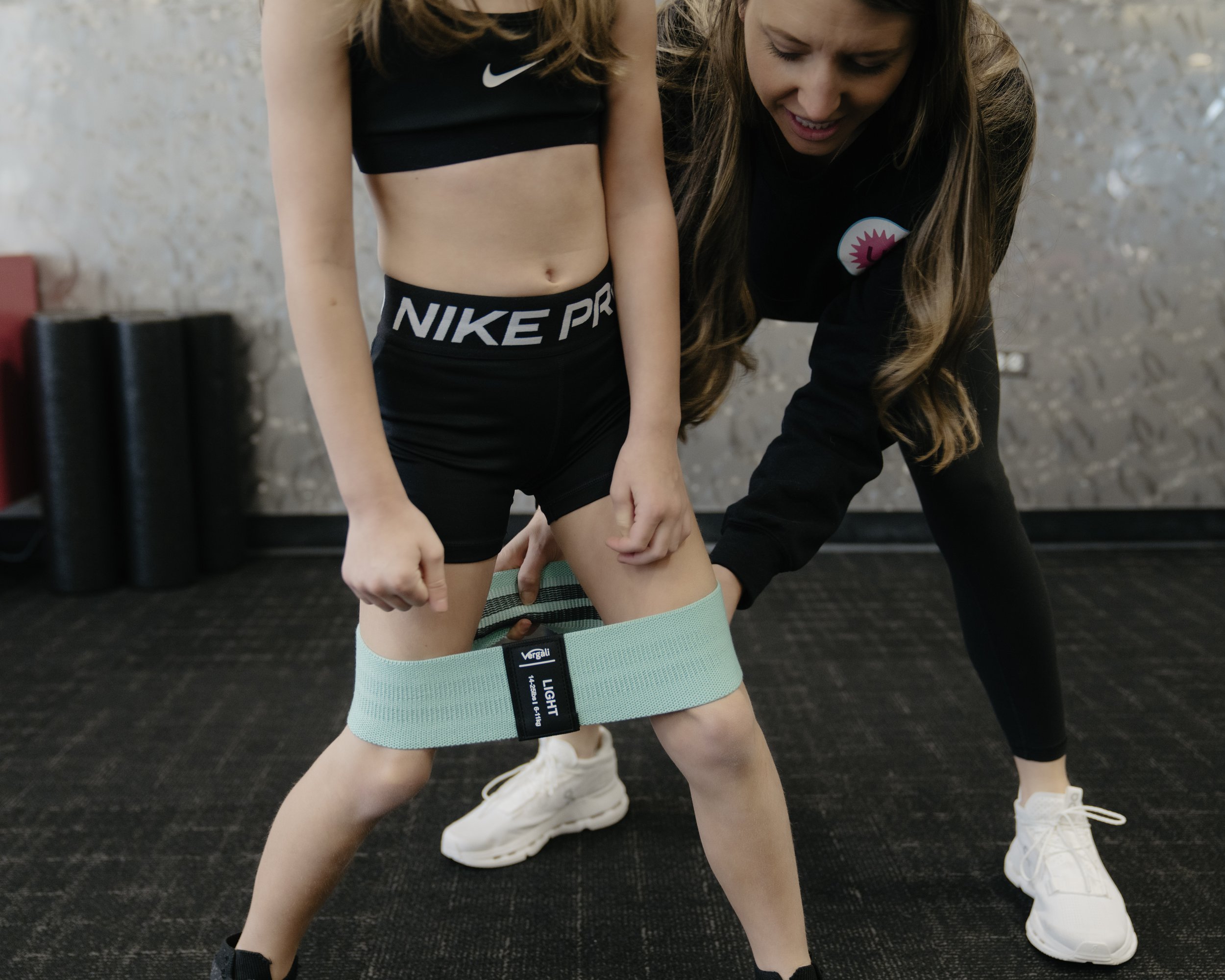
To both treat and prevent low back pain, cheerleaders need targeted strength training programs that develop above-average strength and control in the deep core, trunk, glutes, and hips.
Cheerleading places unique demands on the body, and training should reflect that. Strength programs should focus on improving trunk stability to protect the spine during the extreme ranges of motion required for tumbling and stunting.
During these skills, cheerleaders may experience forces equal to up to 12 times their body weight. The body must be strong enough to withstand these forces and protect the low back.
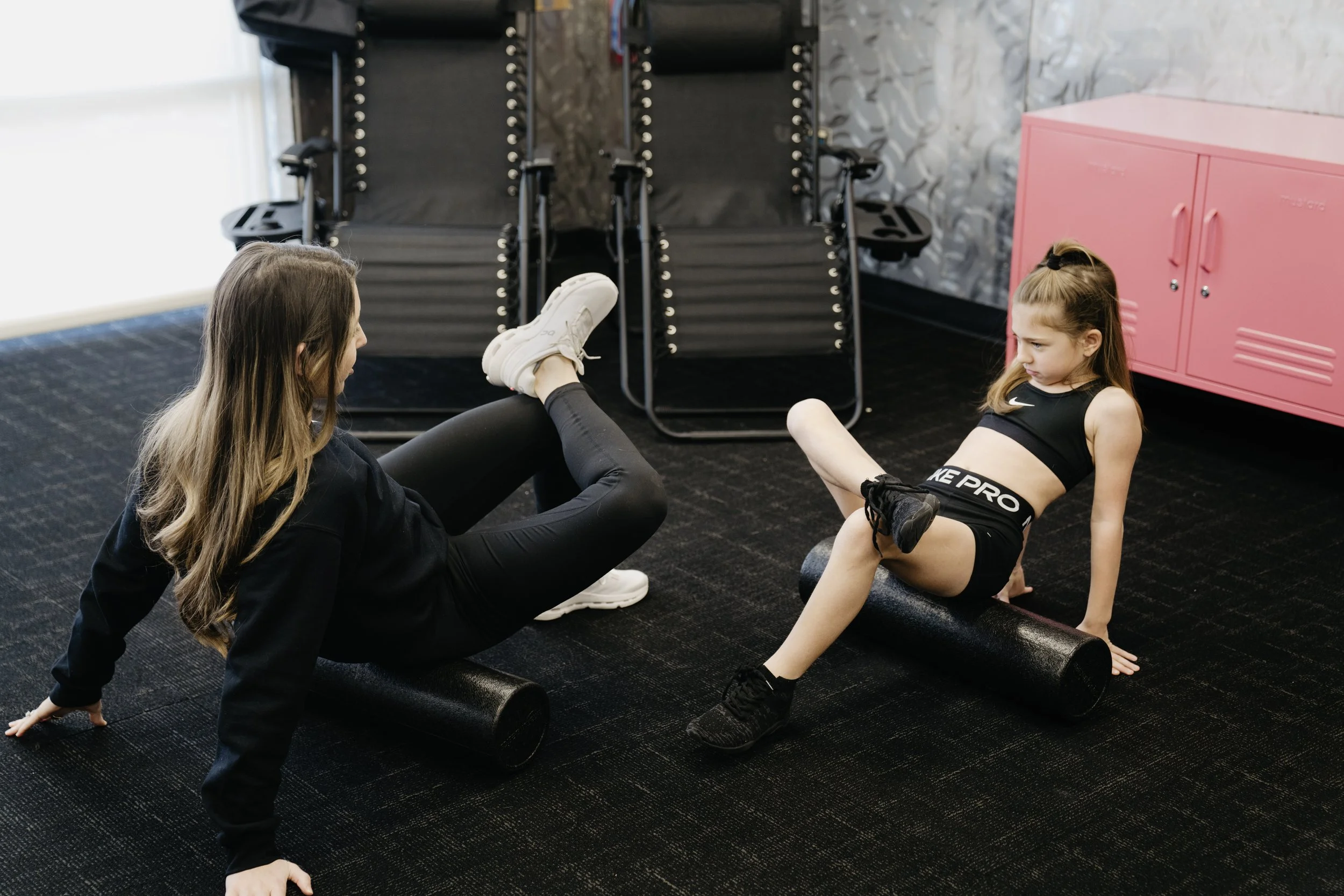
Prioritizing RecoveryThere is absolutely a time and place for recovery-focused treatments. Modalities such as massage, cupping, and dry needling can be extremely effective for increasing blood flow, reducing muscle tension, and relieving pain when needed.
Recovery tools like foam rollers, massage guns, compression boots, saunas, PEMF mats, and red light therapy can also support tissue healing. That said, recovery goes far beyond tools—it includes proper stress management, consistent high-quality sleep, and nutrient-dense whole-food nutrition.
In my experience, most cheerleaders significantly under-prioritize recovery, and improving this alone can make a huge difference in pain levels and performance.
cheerleaders need to strength train
〰️
cheerleaders need to strength train 〰️
What’s Next?
Ready to Stop Pushing Through Back Pain?If you or your cheerleader are dealing with ongoing low back pain, you don’t have to guess your way through it. Working with a professional who understands the specific demands of cheerleading can make all the difference.
I work with cheerleaders to:
Identify the root cause of back pain
Improve core and hip strength for safer tumbling and stunting
Modify training without taking athletes completely out of cheer
Build a plan that supports a long, healthy cheer career
👉 Schedule a discovery call to work with me
Looking to Prevent Back Pain Before It Starts?Maybe you or your athlete isn’t injured—but wants to prevent low back pain or injury in the future. My position-specific cheerleading strength classes are the perfect addition to cheer training.
These classes are designed to train you like the elite athlete you are and include:
Strength training tailored to flyers and bases/backspots
Focus on core stability, hip strength, and controlled power
Built-in recovery and mobility every class
A program that supports cheer practice—not competes with it
👉 Click here to learn more about cheer strength classes
Stay ConnectedFor ongoing cheer-specific strength tips, injury prevention education, and training guidance:
👉 Follow me on Instagram @westandwellpt
👉 Subscribe to my newsletter for weekly insights to help cheerleaders stay healthy, strong, confident, and pain-free
Resources
Waters, N., 2013. What goes up must come down! A primary care approach to preventing injuries amongst highflying cheerleaders. Journal of the American Academy of Nurse Practitioners, 25(2), pp.55-64.
Xu, A. L., Beck, J. J., Sweeney, E. A., Severson, M. N., Page, A. S., & Lee, R. J. (2022). Understanding the cheerleader as an orthopaedic patient: an evidence-based review of the literature. Orthopaedic journal of sports medicine, 10(1), 23259671211067222.
Disclaimer: The views expressed in this article are based on the opinion of the author, unless otherwise noted, and should not be taken as personal medical advice. The information provided is intended to help readers make their own informed health and wellness decisions.