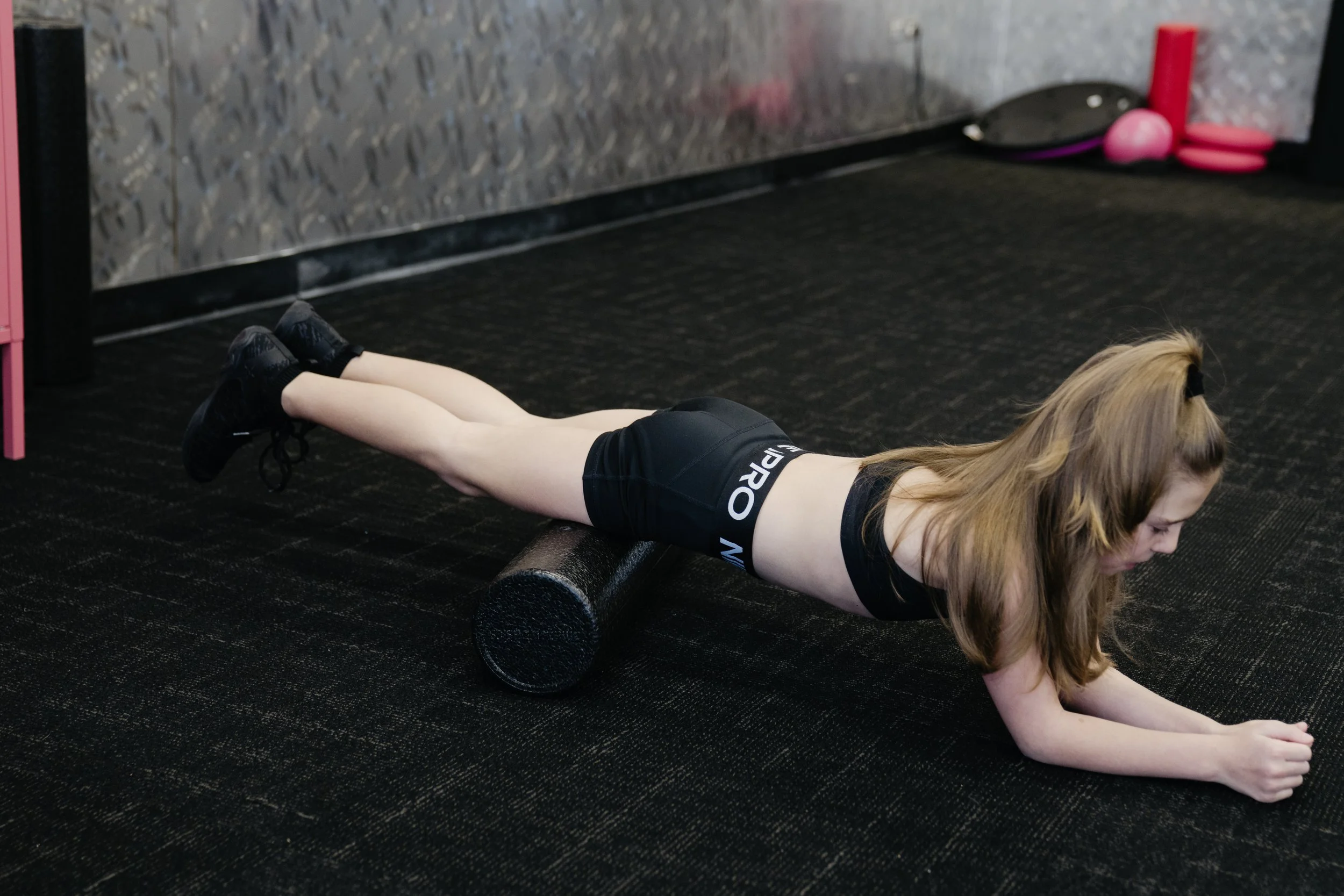
Physical Therapy for Dancers in Denver

Only dancers really know how intense this sport can be. Every rehearsal asks for strength, control, balance, endurance, and artistry all at once, and every performance demands that you make it look effortless. At West and Well Physical Therapy, we help dancers keep going with care that supports recovery, builds resilience, and improves performance.
As Denver's Top Physical Therapy Center for Dancers, we understand that dance is not just an activity. It is a discipline, a commitment, and for many, a way of life. Whether you are dealing with pain, coming back from an injury, or looking to move better and feel stronger on stage, our team is here to help you continue doing what you love.
PHYSICAL THERAPY
•
RECOVERY
•
WELLNESS
•
PHYSICAL THERAPY • RECOVERY • WELLNESS •


A Three-Stage Approach to Physical Therapy for Dancers
Dance care is not one-size-fits-all. That is why we use a three-stage approach that meets dancers where they are and helps them move forward with purpose. Some dancers come to us after an injury, while others want to recover more efficiently or improve the way they perform. We tailor treatment to the specific needs of the dancer in front of us.
1. Recovery
Recovery care is for dancers who need support after rehearsals, performances, competitions, or long training blocks. This stage focuses on reducing soreness, restoring mobility, and helping the body bounce back from repeated demands. It can also be helpful for dancers who feel worn down even if they are not dealing with a major injury.
2. Physical Therapy for Injury
When injury gets in the way, dancers need physical therapy that understands the demands of their sport. We treat common dance-related issues such as sprains, strains, overuse pain, and postural imbalances with care that supports healing and return to movement. The focus is not just on getting out of pain, but on restoring confidence and function.
3. Sports Performance
For dancers who want to take their performance to the next level, physical therapy is a powerful training tool. This stage emphasizes strength, power, balance, coordination, and efficient movement so you can jump higher, turn more cleanly, and move with more control. It is especially valuable for high-intensity dancers who are constantly pushing their bodies to perform under pressure.
Types of Dance We Work With
Our Denver clinic for dancer physical therapy works with dancers of all ages, from young beginners to advanced performers. We also work with a wide range of dance styles, with special attention to high-intensity forms that place greater stress on the body. No matter the style, we aim to provide care that matches the movement demands of the dancer.
-
Ballet requires precision, turnout control, foot strength, and enormous endurance. Repeated relevé work, jumps, and pointe demands can challenge the feet, ankles, hips, and core. We help ballet dancers build control and manage the stress that comes with high training volume.
-
Jazz dance often combines speed, power, sharp transitions, and dynamic choreography. Dancers may experience stress in the knees, ankles, and lower back, especially during repeated leaps, kicks, and turns. Physical therapy can support cleaner mechanics and better impact tolerance.
-
Hip hop is athletic, fast-paced, and often highly repetitive. Floorwork, drops, jumps, and quick directional changes can challenge the shoulders, spine, hips, and knees. We help dancers handle these demands with better strength, mobility, and control.
-
Contemporary dance blends fluidity, strength, and expression, often with extreme ranges of motion and floor-based movement. This style can place significant stress on the spine, hips, and shoulders. We work with contemporary dancers to improve stability without limiting expressive movement.
-
Cheerleaders and dance team athletes face a unique mix of jumps, stunts, tumbling, and high-impact choreography. These athletes often need help with landing mechanics, core control, and return-to-sport readiness after injury. Our clinic is especially well suited for these high-intensity performers.


Common Joints and Muscle Groups at Risk in Dancers
Dancers place repeated demands on many parts of the body, which can increase the risk of pain or injury over time. Understanding the most commonly affected areas helps us target care more precisely. Below are five areas we often assess and treat in dancers.
-
The ankles absorb force during jumps, turns, landings, and quick changes in direction. Sprains, instability, and overuse pain are common, especially in dancers who train frequently or return too quickly after a past injury. Strong ankles are essential for balance and performance.
-
Feet are the foundation of dance, yet they are often overlooked until pain develops. Dancers may experience stress in the arches, toes, or forefoot due to pointe work, repeated jumps, or prolonged standing. Foot strength and mobility play a major role in safe, efficient movement.
-
Knees are exposed to repetitive loading in pliés, leaps, turns, and landings. Pain can develop from tracking issues, overuse, or compensation elsewhere in the body. We often work with dancers to improve knee alignment, landing mechanics, and hip control to better protect this joint.
-
Hip mobility and hip strength are critical for nearly every style of dance. Tightness, pinching, or instability in the hip region can affect turnout, extensions, and overall movement quality. We help dancers improve hip function while maintaining the control needed for demanding choreography.
-
The lower back often works overtime when dancers lack support from the hips or core. Repeated extension, twisting, and lifting can lead to discomfort or strain. Our treatment approach helps dancers develop better trunk stability so the spine can move with more ease and less overload.


What in the World Is Redcord?
The Redcord suspension system in our clinic sets us apart from traditional physical therapy. Redcord is an innovative tool that uses bungees, ropes, and slings to activate the neuromuscular system, address muscular imbalances, enhance functional strength, and improve flexibility. It is a highly effective way to challenge the body in a supported environment.
For dancers, cheerleaders, and gymnasts, Redcord is especially valuable because it trains control, stability, and coordination at the same time. It allows us to isolate weak links in movement while helping the body work as a connected system. That makes it a smart addition to both rehab and performance training.
Why Dancers Choose West and Well for Physical Therapy in Denver
We are proud to be a one-of-a-kind physical therapy center for dancers in Denver. If you are recovering from an injury, working to improve performance, or simply looking for better support for your body, we invite you to get to know our team. You do not have to navigate dance pain or recovery alone.
Favorite Wellness Products
Only the best, because our bodies deserve it-
![]()
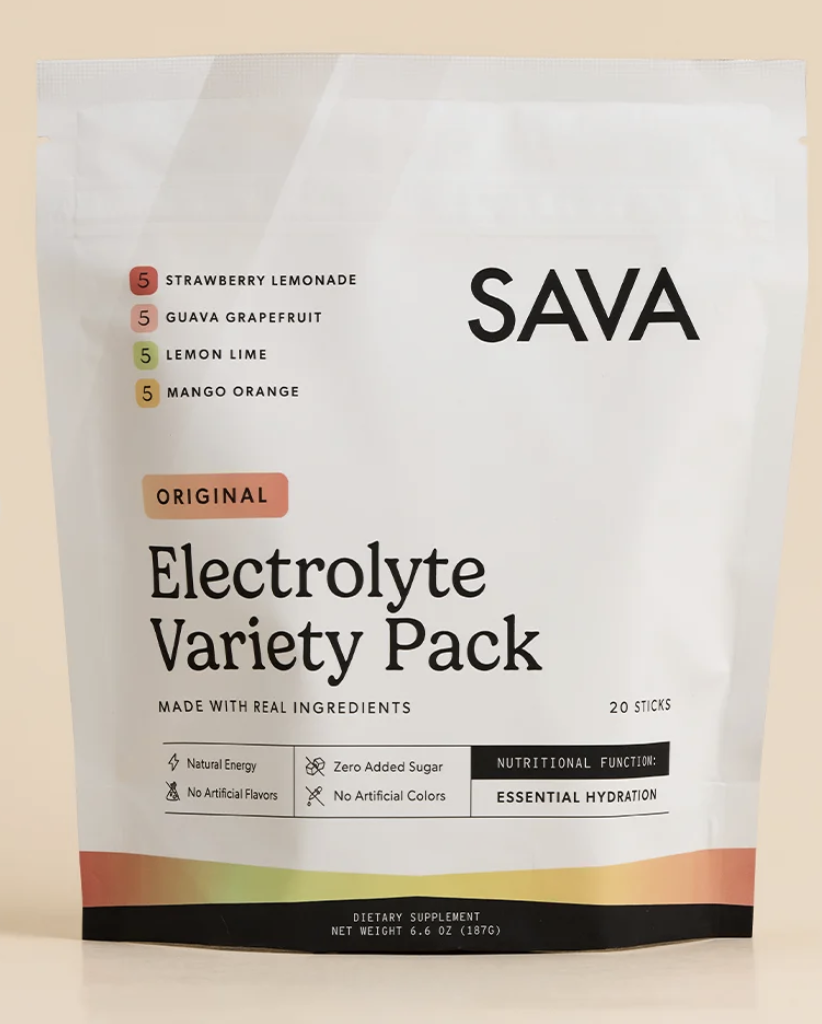
SAVA Electrolytes
Hydration is key to stay healthy but especially hydrating with essential minerals. These electrolytes are packed full of clean, healthy ingredients, with none of the fake stuff!
-
![]()
THERABODY Theragun Pro
The BEST massage gun out there! Uses heat, red light, and percussion to improve blood flow, fascial mobility, and reduce lactic acid build up. A must have for every household.
-
![higher-dose-mat]()
Higher Dose Infrared PEMF Mat
This mat does everything you want! Reduces stress, increases energy, improves recovery, better sleep and nervous system regulation.
-
![]()
Austin Air Purifier
Invest in a high quality air filter and your body will thank you! This filter is the only clinically proven air filter on the market that removes gasses, chemicals, VOCs and formaldehyde.
-
![]()
Supplements
There is a time and place where proper supplementation can make a huge difference in how you feel! Check out some of my favorites and what I recommend for most of my clients!
-
![]()
Long Foam Roller
The cheapest, simplest and most effective wellness and recovery tool! I use this daily to help with posture and prevent headaches.
-
![]()
Fascia Balls
Another easy tool that I use daily to keep my body mobile and pain free.
-
![]()
Berkey Water Filter
Our drinking water is filled with contaminates and chemicals that wreak havoc on our bodies. This countertop gravity filter removes all the junk and is a great, easy place to start for water filtration!
-
![protein powder]()
Ballerina Farm Protein Powder
A clean, high-quality protein powder that can be used to ensure you are meeting your daily protein needs.
-
![HYPERICE Compression Boots]()
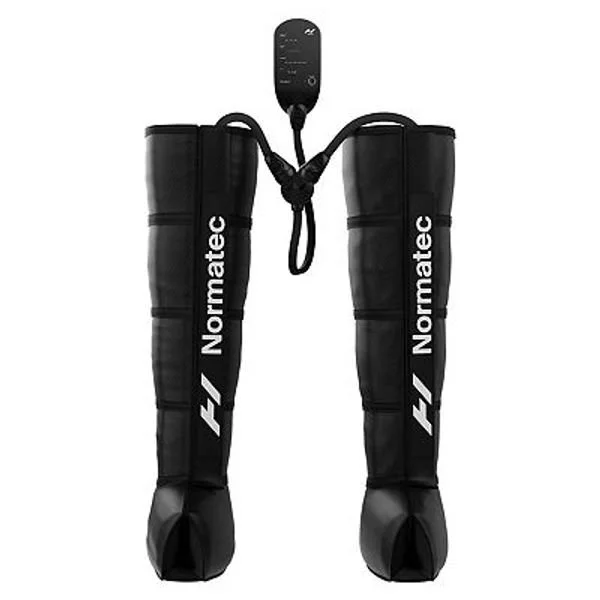
HYPERICE Compression Boots
A luxurious recovery device that makes your feel like a professional athlete! Graded, sequential air compression that allows for greater circulation and lymphatic flow.





YOUR BIGGEST CHEERLEADER
•
YOUR BIGGEST CHEERLEADER •


Meet Dr. Karri
A SPIRITED PHYSICAL THERAPISTAs a past cheerleader at this very gym, Dr. Karri West understands the unique movements and strains that affect the performance of a cheer athlete. Dr. Karri’s knowledge of sport-specific rehab/ prevention, athletic recovery and whole person wellness will set your athlete up for success!
Dr. Karri’s goals are to meet each athlete right where they are and build a trusting relationship with them while she improves their performance.
Frequently Asked Questions
-
No! While we are located inside of Cheer Athletics Denver, we can treat anyone. We would love to help the entire family from grandma to the younger brother and everyone in between.
-
Nope. Dr. Karri has extensive experience in pelvic floor physical therapy as well. She is passionate about women's health in general and loves to treat anyone experiencing leaking, pelvic pain, or providing prenatal and postpartum care.
-
We are an out-of-network provider so we do not accept insurance directly but can work with you to provide superbills to send to your insurance for potential out-of-network reimbursement.
I know this can be a hang up for many people. If that is the case for you I really would love the opportunity to chat with you and see how we can make it work!
-
Yes, we absolutely accept FSA/HSA!
Do you have a different question that wasn’t answered above?
More helpful info & tips on our blog!